Travel Rule compliance: how VASPs exchange sender data under FATF rules

Among all the obligations that FATF standards impose on the crypto industry, one has proven the hardest to operationalize: the travel rule. The requirement itself is borrowed directly from traditional banking, where wire transfers have carried originator and beneficiary information for decades. Transplanting it onto blockchain rails, where a transaction is a broadcast message signed by a private key, turned …


Wash trading and AML rules in 2026: how exchanges detect and report suspicious activity

The compliance floor beneath the crypto industry has never been higher than it is in 2026. What began a decade ago as a patchwork of voluntary guidelines has matured into binding law across the major jurisdictions: the European Union’s MiCA regime is in full force with its licensing and conduct requirements, the United States operates under clarified and tightened reporting …

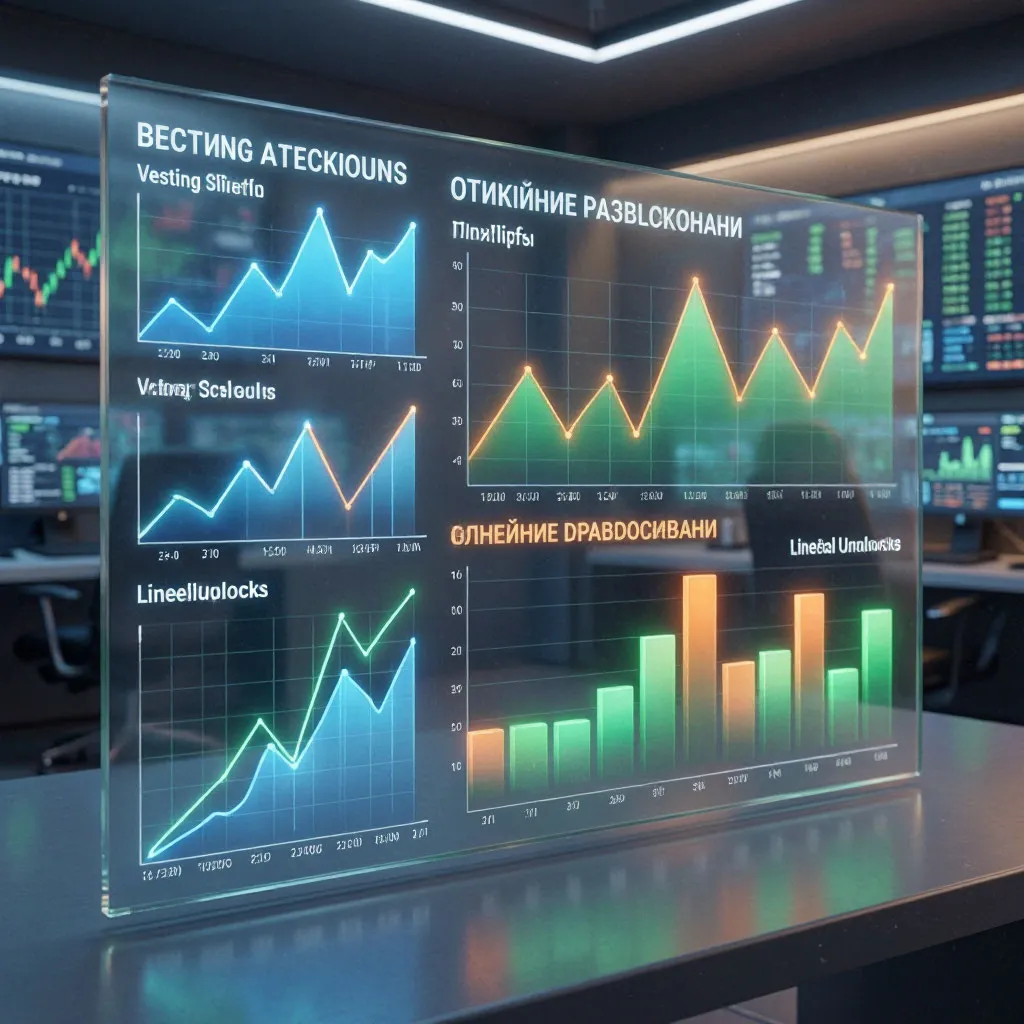
Token vesting schedules explained: cliffs, linear unlocks, and how to evaluate tokenomics before investing

A perfectly designed protocol with genuine adoption potential can still destroy its investors if the wrong people are allowed to sell at the wrong time. Token vesting — the schedule that governs when allocated tokens become transferable — is one of the most consequential yet least understood mechanisms in crypto investing. Retail buyers obsess over market cap, FDV, and token …

Helium 5G vs. Helium IoT: how the Solana migration changed token economics and coverage incentives

For three years, Helium operated on a custom-built blockchain that struggled to keep up with the demands of hundreds of thousands of hotspot devices — slow block times, expensive transactions, and an infrastructure burden that diverted resources from the actual wireless network. The April 2023 migration to Solana was not just a technical housekeeping exercise. It fundamentally restructured how rewards …

Real-World Asset (RWA) tokenization platforms compared: Ondo, Centrifuge, and MakerDAO — which has institutional traction?

Three years ago, tokenizing a US Treasury bill on a public blockchain was a proof-of-concept nobody at a Wall Street desk took seriously. Today, the same exercise moves billions of dollars through settlements that institutions actively participate in. The total value of tokenized real-world assets on public blockchains crossed $25 billion in 2026, and three protocols — Ondo Finance, Centrifuge, …